
Welcome to the Murai Laboratory
Welcome to the Murai Laboratory.
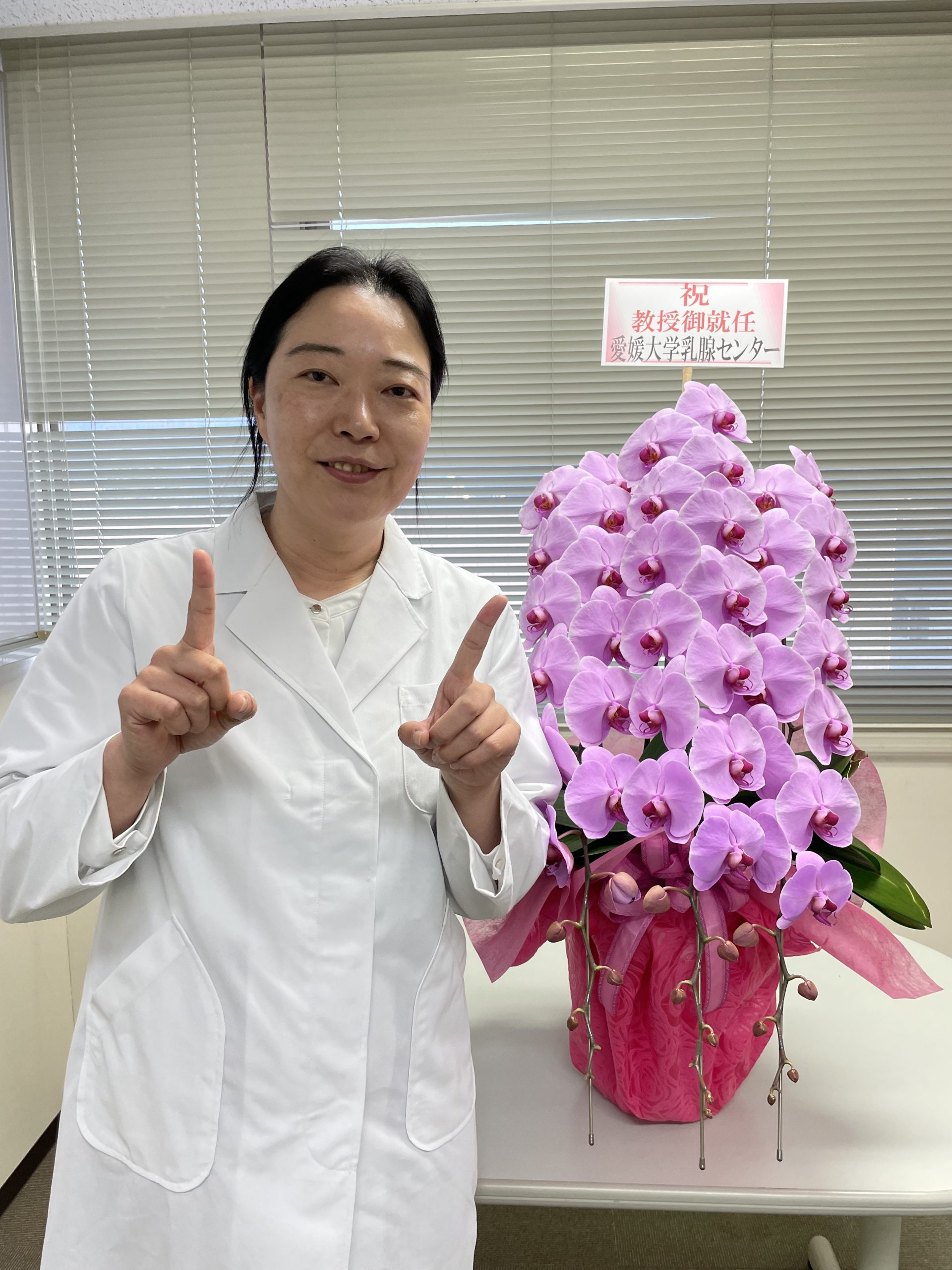 Our research focuses on the DNA Damage Response (DDR), single-stranded DNA gaps (ssDNA gaps), and the Schlafen (SLFN) gene family, with particular emphasis on SLFN11, aiming to advance precision cancer chemotherapy.
Why SLFN11?
Have you heard of Schlafen 11 (SLFN11)?
SLFN11 has emerged as a powerful predictive biomarker that markedly enhances the sensitivity of cancer cells to DNA-damaging chemotherapeutic agents, such as platinum compounds and topoisomerase inhibitors. While many biomarker candidates have been proposed over the years, very few have proven clinically useful—this long-standing gap motivated our work.
In 2012, large-scale cancer cell line analyses revealed that SLFN11 mRNA expression shows an exceptionally strong correlation with drug sensitivity, outperforming all known DNA repair or response genes. At first, this result was met with skepticism. However, in 2013, we experimentally validated the critical role of SLFN11 using knockout cell models. Since then, SLFN11 has been the central focus of our research.
SLFN11 is expressed in approximately half of human tumors, an ideal ON/OFF distribution for a biomarker. Its expression can be evaluated by standard immunohistochemistry, making testing affordable and accessible even in community hospitals. Importantly, SLFN11 loss is rarely caused by gene mutations; instead, its expression is mainly epigenetically regulated. This means SLFN11 is not only a biomarker but also a druggable target, opening the door to strategies that restore its expression and resensitize drug-resistant cancers.
Mechanisms and Future Directions
SLFN11 binds to single-stranded DNA and, under replication stress induced by chemotherapy, acts through multiple enzymatic activities (including RNase and helicase functions) to strongly enforce replication arrest and cell death. Although research on SLFN11 is still at an early stage, new discoveries continue to emerge.
We believe SLFN11 was long overlooked partly because many commonly used laboratory cell lines lack its expression. Recently, however, SLFN11-positive models have begun to be used in siRNA and CRISPR screens, unexpectedly highlighting its importance across diverse pathways.
Although the number of SLFN11-related publications is still modest, we anticipate rapid growth in this field over the next decade. Much remains unknown about its regulation and function, and we welcome diverse perspectives and collaborations.
With the slogan
“Precision medicine for chemotherapy, driven by SLFN11,”we pursue both basic and translational research—and we hope you will join us in exploring the potential of SLFN11.