Intraductal Carcinoma of the Prostate (IDC-P)
Intraductal carcinoma of the prostate (IDC-P) is characterized by the growth of highly aggressive prostate cancer cells within pre-existing prostatic ducts and glands and is associated with high-grade disease, treatment resistance, and poor clinical outcomes.
Our research aims to understand how IDC-P develops and progresses, define its molecular pathogenesis, and translate these findings into new diagnostic and therapeutic strategies.
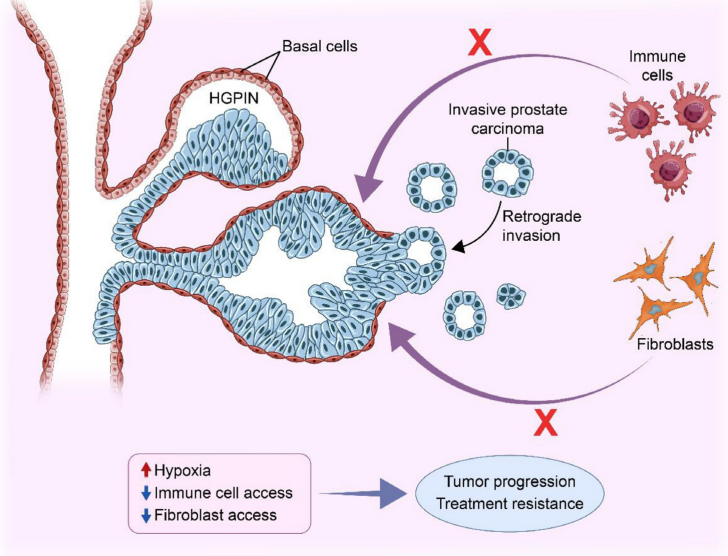
Watanabe R, Haffner M, Nelson P et al. Urol. Oncol. 2026
How Does Prostate Cancer Progress to IDC-P?
Using spatial transcriptomic analysis, we investigate distinct prostate cancer states coexisting within the same tissue while preserving their spatial context.
By comparing gene expression and clonal alterations across spatially defined tumor regions, we aim to reconstruct the clonal evolution from lower-grade prostate cancer to IDC-P and identify the molecular changes associated with malignant progression.
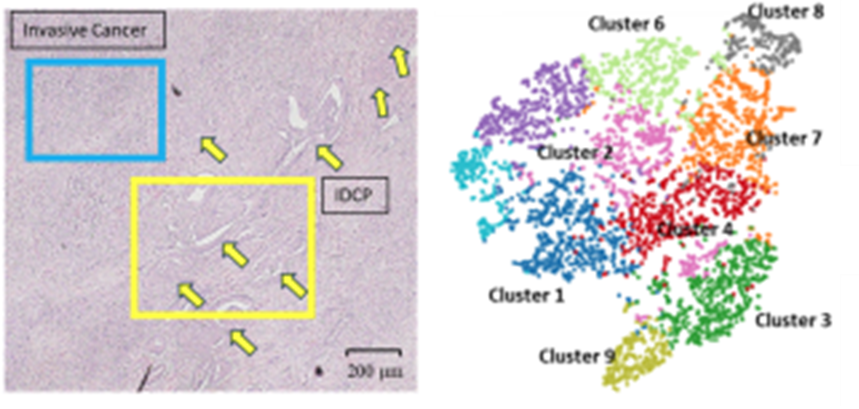
Watanabe et al. Int J Mol Sci 2024
Exploring Molecular Alterations for Diagnosis and Treatment
We perform spatial gene expression profiling and genomic analyses of prostate cancer tissues containing IDC-P to identify molecular alterations associated with this aggressive disease.
By analyzing not only tumor cells but also the surrounding tumor microenvironment, we aim to identify signaling pathways involved in IDC-P progression as well as novel biomarkers and therapeutic targets.
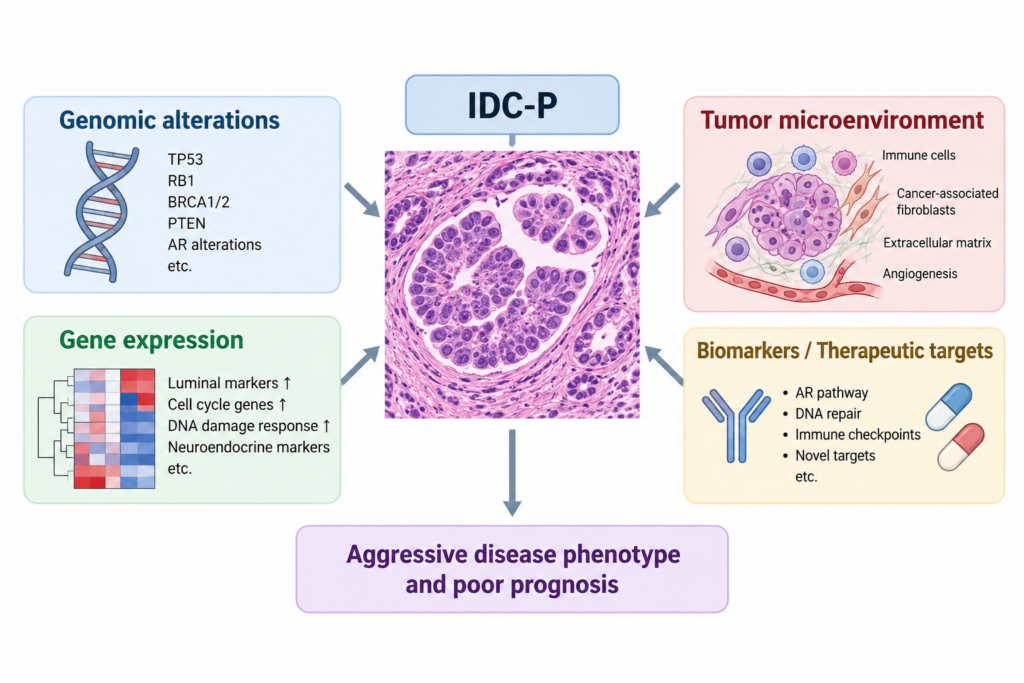
Related Publications
Genetic Analysis of Intraductal Carcinoma of the Prostate Detected in High-Grade Prostatic Intraepithelial Neoplasia Cases
Watanabe R, Miura N, Kurata M, Kitazawa R, Kikugawa T, Saika T.
Cureus. 2024 Dec 21;16(12):e76165.
PMID: 39840193
Unveiling the Genomic Landscape of Intraductal Carcinoma of the Prostate Using Spatial Gene Expression Analysis
Watanabe R, Miura N, Kurata M, Kitazawa R, Kikugawa T, Saika T.
Int J Mol Sci. 2024 Apr 28;25(9):4818.
PMID: 38732035